

 Apple Podcasts
 Spotify
 Youtube Music
 iHeartRadio
 Amazon Music
 Podchaser
 From War Zones to the World’s Most Critical Conversations: What Actually Works with Sean Buckley

What happens when the people meant to protect… become the ones you have to investigate?
In this episode, Dave Thompson, CFI sits down with Sean Buckley—former New Zealand detective and United Nations investigator—whose career has taken him from local policing to some of the most complex, high-risk investigations across the globe.
We get into what it’s really like to build trust in environments where no one wants you there… interviewing victims, suspects, and even terrorists across more than 90 countries… and navigating cases involving child abuse, war zones, and political assassinations.
But the biggest takeaway?
Whether you’re in a patrol car, a boardroom, or a conflict zone—your most powerful tool isn’t force… it’s communication.
Sean breaks down why rapport isn’t a “soft skill”—it’s the skill—and how the ability to connect, adapt, and listen under pressure is what separates good from great in any high-stakes conversation.
If your job—or your life—depends on getting the truth from people, this one’s worth your time.
Sean mentioned EchoMind on the episode - here's a link to learn more.
Follow Truth Be Told on Instagram!
Truths:
Rapport is the foundation of everything.
No matter the country, case, or subject—if you can’t build trust, you won’t get the truth.
Communication is the most undertrained—but most critical—skill.
Officers train constantly for force, but rarely for conversation… even though it’s what they use every day.
Real-world situations don’t follow your training script.
The best interviewers aren’t the most prepared—they’re the most adaptable when things go sideways.
High-stakes environments amplify everything.
Whether it’s a war zone or a patrol call, pressure exposes gaps in training, mindset, and communication.
The goal is to get others talking—not to control the conversation.
The more they speak, the more information you gather—and the better your outcomes.
Cultural awareness isn’t optional—it’s operational.
Understanding people’s backgrounds, values, and fears is often the difference between resistance and cooperation.
Preparation and creativity separate average from elite investigators.
The best outcomes don’t come from luck—they come from intentional planning and tailored approaches.
Respect and authenticity travel across every environment.
From local communities to international conflict zones, how you treat people determines what they give back.
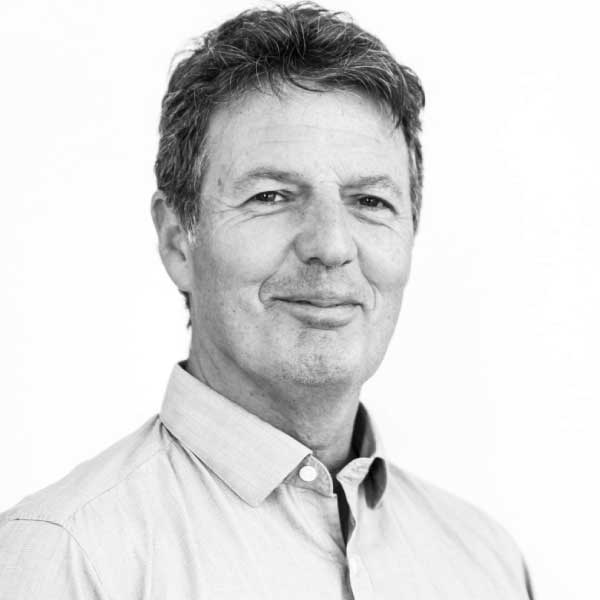
Global Director of Operations and co-founder of OSACO Group
Sean is Global Director of Operations and co-founder of OSACO Group. Sean began his career in investigations in New Zealand before moving to the UN, investigating political assassinations in the Middle East. His investigative assignments extended into work within UN agencies and international NGOs and has now expanded beyond the humanitarian world into other sectors.
“Years of on-the-ground experience in some of the worst human situations in the world gives you a powerful insight into how things really work and how people function and behave in all kinds of organisational settings,” says Sean. “I believe passionately that things can be done better, so my aim is to bring this to bear on the human and organisational problems we all face in a way that really makes a difference.
“OSACO was founded because we saw the significant need for oversight and compliance specialists – in particular very skilled investigators – who have real, on-the-ground experience in organisations.
“There’s no shortage of big consultancies out there with an academic understanding of organisational theory, but we come at the problem using a real-world approach, dealing with human nature at its best and, more often, unfortunately, at its worst.”