

 Apple Podcasts
 Spotify
 Youtube Music
 iHeartRadio
 Amazon Music
 Podchaser
 When Innocence Isn’t Enough: The Reality of Wrongful Convictions with Claudia Salinas

This episode of Truth Be Told dives into the intersection of wrongful convictions, communication, strategy, and even poker.
In this powerful conversation, Dave Thompson, CFI sits down with innocence attorney and poker player Claudia Salinas to explore how psychology, trust, bias, and human behavior shape both the courtroom and the interrogation room. From uncovering wrongful convictions to reading people at the poker table, Claudia shares how communication, emotional control, and strategic thinking can impact lives in the highest-stakes situations.
The episode takes listeners inside the work of The Innocence Center and the broader innocence movement, breaking down how innocent people end up behind bars — and why proving innocence is often far harder than securing a conviction in the first place. Claudia discusses false confessions, racial bias, Brady violations, eyewitness issues, and the emotional realities of post-conviction advocacy, while Dave connects these lessons directly to investigative interviewing and truth-seeking conversations.
If you’re interested in investigative interviewing, psychology, communication, criminal justice reform, or the human side of truth and deception, this is an episode you won’t want to miss.
Follow Claudia on Instagram!
Follow The Innocence Center on Instagram!
Truths:
- False confessions are real — and often driven by psychology, pressure, misplaced trust, and flawed interrogation tactics.
- Wrongful convictions are rarely caused by one single mistake; they’re usually the result of bias, tunnel vision, misinformation, and small decisions compounding over time.
- Communication and rapport matter in every high-stakes environment — from investigative interviews to courtrooms to poker tables.
- Confidence isn’t about ego; it’s about preparation, emotional control, and trusting the process even when outcomes don’t immediately go your way.
- Every person — investigators, jurors, attorneys, and everyday citizens — plays a role in protecting justice and preventing wrongful convictions.
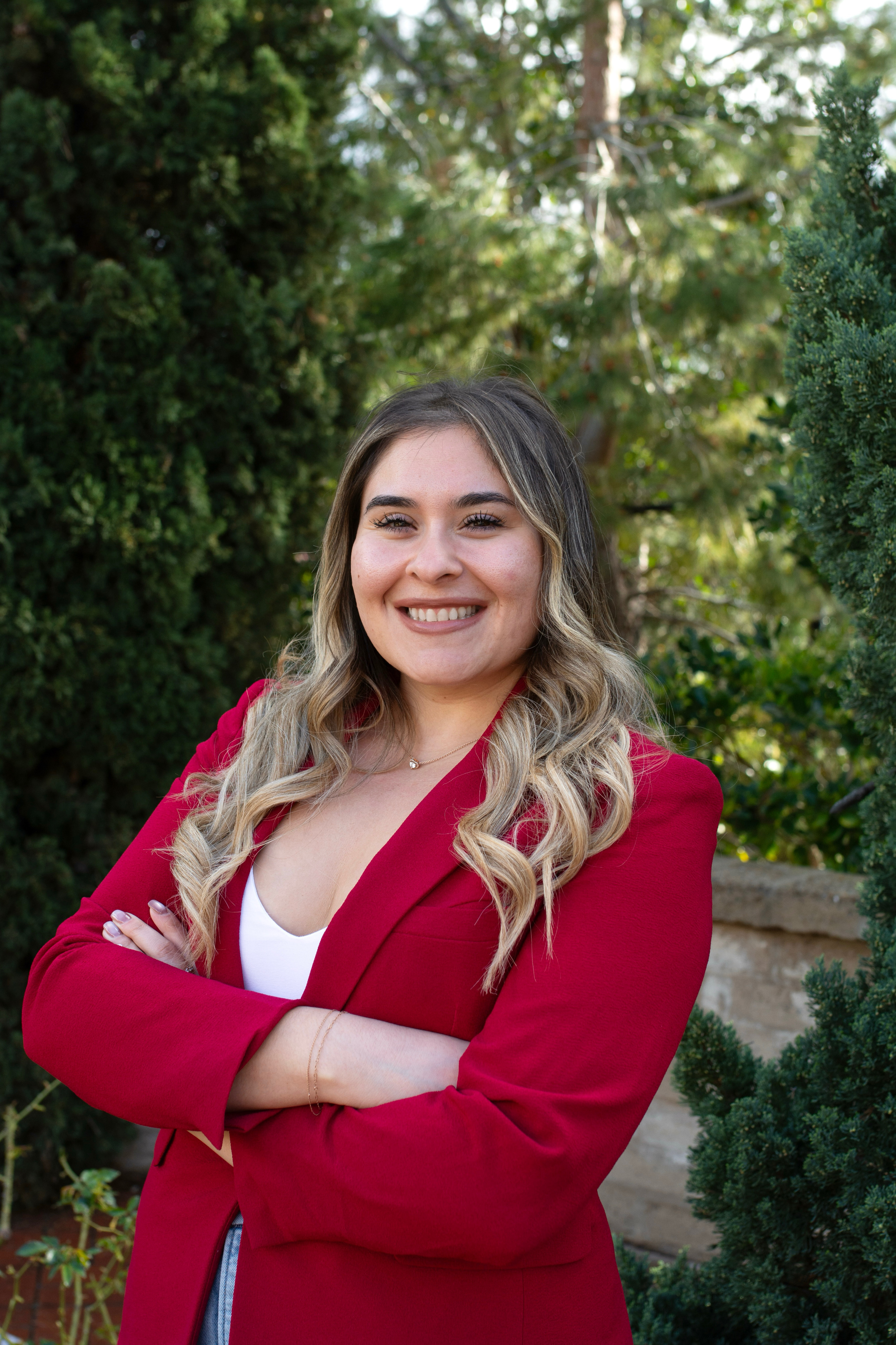
Staff Attorney at The Innocence Center
Claudia Salinas is a Staff Attorney at The Innocence Center, where she works on wrongful conviction cases involving racial bias, government misconduct, and other systemic failures within the criminal legal system. Her work includes both post-conviction litigation and advocating for incarcerated clients during parole and alternative release proceedings, where she helps present and litigate plausible claims of innocence.
Claudia earned her Bachelor of Science in Criminology from California State University, Fresno, before obtaining her Juris Doctor from California Western School of Law. Prior to her innocence work, she served as a 911 Communications Dispatcher and later worked as a District Representative for a California State Senator, experiences that continue to shape her perspective on public service and justice reform.
In addition to her role at The Innocence Center, Claudia serves as the Chair of the Innocence Network’s Diversity, Equity, and Inclusion Committee and is also a Board Member for the Innocence Network, where she helps lead national conversations and initiatives focused on equity, ethics, and culture within innocence organizations across the country.
Fluent in Spanish, Claudia is passionate about client-centered advocacy and ensuring individuals navigating the legal system feel heard, respected, and understood.
Outside of her legal work, Claudia has been playing poker for more than a decade, an interest that has strengthened her strategic thinking, patience, and ability to read people under pressure.