Apple Podcasts
 Spotify
 Youtube Music
 iHeartRadio
 Amazon Music
 Podchaser
 The Danger of Thinking You're Right: Why Curiosity Beats Certainty with Brad Beeler

How do experienced investigators end up on the wrong path—even when they're trying to do the right thing?
In this episode of Truth Be Told, Dave Thompson, CFI sits down once again with retired U.S. Secret Service agent and author Brad Beeler for a conversation that challenges some of the biggest assumptions in investigations. We explore how gut instinct can become confirmation bias, why false confessions happen more often than many people realize, and how investigators can avoid unintentionally steering themselves toward the wrong conclusions.
Brad shares powerful stories from his own career—including cases that changed the way he interviews forever—and introduces his mathematical model of criminal behavior, a practical framework for understanding motive beyond simply asking "Who had reason?"
We also discuss the importance of perspective over perception, the role of empathy without agreement, and the science-backed interviewing principles that lead to better information and better outcomes.
Whether you're in law enforcement, corporate investigations, HR, or simply interested in how people think and make decisions, this episode offers practical insights into improving communication, reducing bias, and finding the truth.
At its core, it's really about how humans make decisions, how our biases shape what we believe, and how curiosity can help us get closer to the truth. That's a theme your audience consistently responds to, and it comes through naturally in this conversation.
Check out more about Brad and his book "Tell Me Everything": Brad Beeler | Retired Secret Service Agent, Author, Keynote Speaker & Communication Expert
Truths:
- Why intuition is both an investigator's greatest asset and greatest liability.
- How confirmation bias quietly shapes interviews and investigations.
- What false confessions teach us about outdated interrogation tactics.
- Brad Beeler's mathematical model for understanding criminal behavior.
- Why perspective—not perception—is the key to effective interviewing.
- Practical techniques for building rapport, reducing bias, and uncovering reliable information.
- How investigators can challenge their own assumptions while improving case outcomes.
Come see Brad speak at the International Association of Interviewers Elite Training Days Conference!
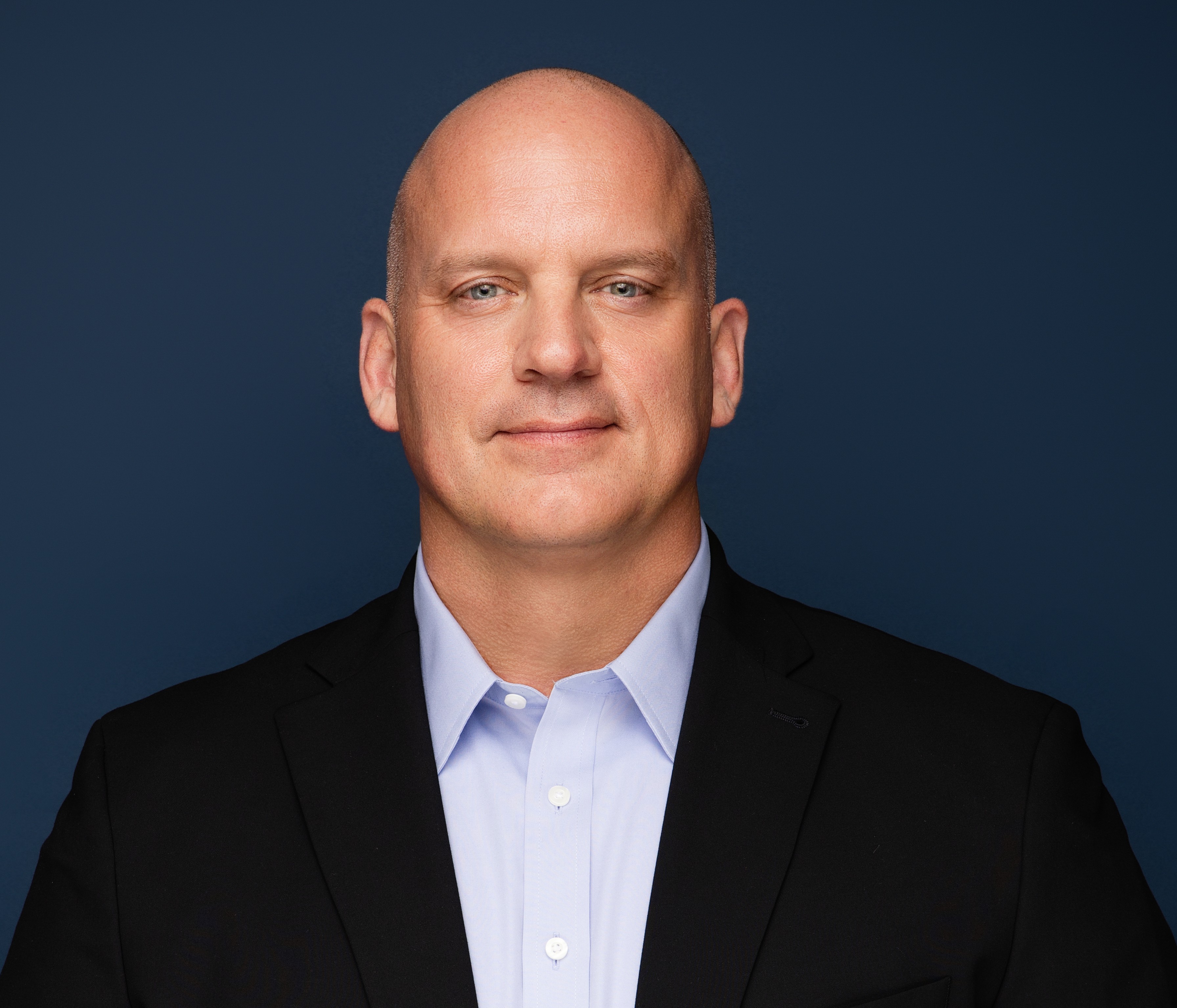
Special Agent US Secret Service (Retired) / Army CID / Author / Speaker
Brad Beeler is a retired United States Secret Service Special Agent, author, and speaker with 25 years of experience in federal investigations, protective operations, credibility assessment, and investigative interviewing. Throughout his distinguished career, Brad became one of the agency’s most experienced and decorated polygraph examiners. He also served on the Bush Protective Division and later trained federal law enforcement and intelligence personnel as an instructor at the National Center of Credibility Assessment.
Brad has lectured at regional, national, and international conferences on topics including investigative interviewing, elicitation techniques, child exploitation investigations, and human behavior. His work earned multiple honors from the United States Secret Service, including the Forensic Hero Award, the Director’s Meritorious Service Award, and recognition as Special Agent of the Year.
He is also the author of the book Tell Me Everything: A Secret Service Agent’s Proven Strategies for Earning Trust, Revealing the Truth, and Communicating with Anyone, which draws from decades of real-world experience conducting interviews, interrogations, and high-stakes conversations.
Today, Brad speaks to organizations, conferences, law enforcement groups, and leadership audiences about communication, trust, human behavior, and the techniques that help people connect more effectively and uncover the truth.
To book Brad for speaking engagements, lectures, conferences, podcasts, or special events, please contact us through the websi…