

 Apple Podcasts
 Spotify
 Youtube Music
 iHeartRadio
 Amazon Music
 Podchaser
 Could One Conversation Save a Life? Beyond the Arrest with Keeley Knowles and Stuart Toogood

What if the most effective way to prevent crime isn't another arrest—but another conversation?
For nearly 30 years, Keeley Knowles lived with a severe heroin addiction, funding it as one of the United Kingdom's most prolific shoplifters. Stuart Toogood spent those same three decades serving as a police officer with West Midlands Police. By every measure, they should have remained on opposite sides of the law.
Instead, they formed a partnership that helped save a life.
In this powerful episode of Truth Be Told, host Dave Thompson sits down with Keeley and Stuart to explore the human side of addiction, retail theft, and policing. They discuss how the innovative Offender to Recovery program challenged traditional law enforcement approaches by addressing the root causes of repeat offending instead of simply making another arrest.
Keeley shares her firsthand experience with addiction, organized retail theft, recovery, and rebuilding her life after believing she would never escape substance use. Stuart reflects on his policing career, why understanding addiction transformed the way he approached investigations, and how compassion, accountability, and evidence-based intervention can work together to reduce crime and change lives.
Whether you're a police officer, detective, retail investigator, loss prevention professional, security leader, HR investigator, or simply someone interested in addiction recovery and criminal justice reform, this conversation offers practical insights that extend far beyond shoplifting.
Truths:
Prevention starts with understanding the person, not just the crime. Addressing the root causes of offending can reduce repeat crime more effectively than enforcement alone.
Addiction doesn't discriminate. As Keeley shares, anyone can find themselves "two or three mistakes away" from addiction, making empathy and education essential for investigators, law enforcement, and the public.
Compassion and accountability can coexist. Holding people accountable while treating them with dignity creates opportunities for recovery without compromising public safety.
Effective policing is about more than making arrests. Stuart explains how helping people access recovery services prevented future crime and ultimately made communities safer.
Human connection changes outcomes. One security officer's willingness to care—and one police officer's willingness to do something different—helped save Keeley's life.
Retail theft is often a symptom of a deeper problem. Understanding the motivations behind organized retail theft and addiction can help investigators, retailers, and loss prevention professionals develop more effective prevention strategies.
Second chances create lasting impact. Recovery isn't just about overcoming addiction—it's about rebuilding relationships, restoring purpose, and helping others find hope through lived experience.
Wicklander-Zulawski & Associates and the International Association of Interviewers are proud supporters of the Truth Be Told podcast. Leaders in evidence-based investigative interviewing for law enforcement, loss prevention, human resources, compliance, security and audit professionals. Learn more here.
This episode is also supported by our friends at ORIS Media, a publications, education and events company, serving the European retail loss prevention industry.
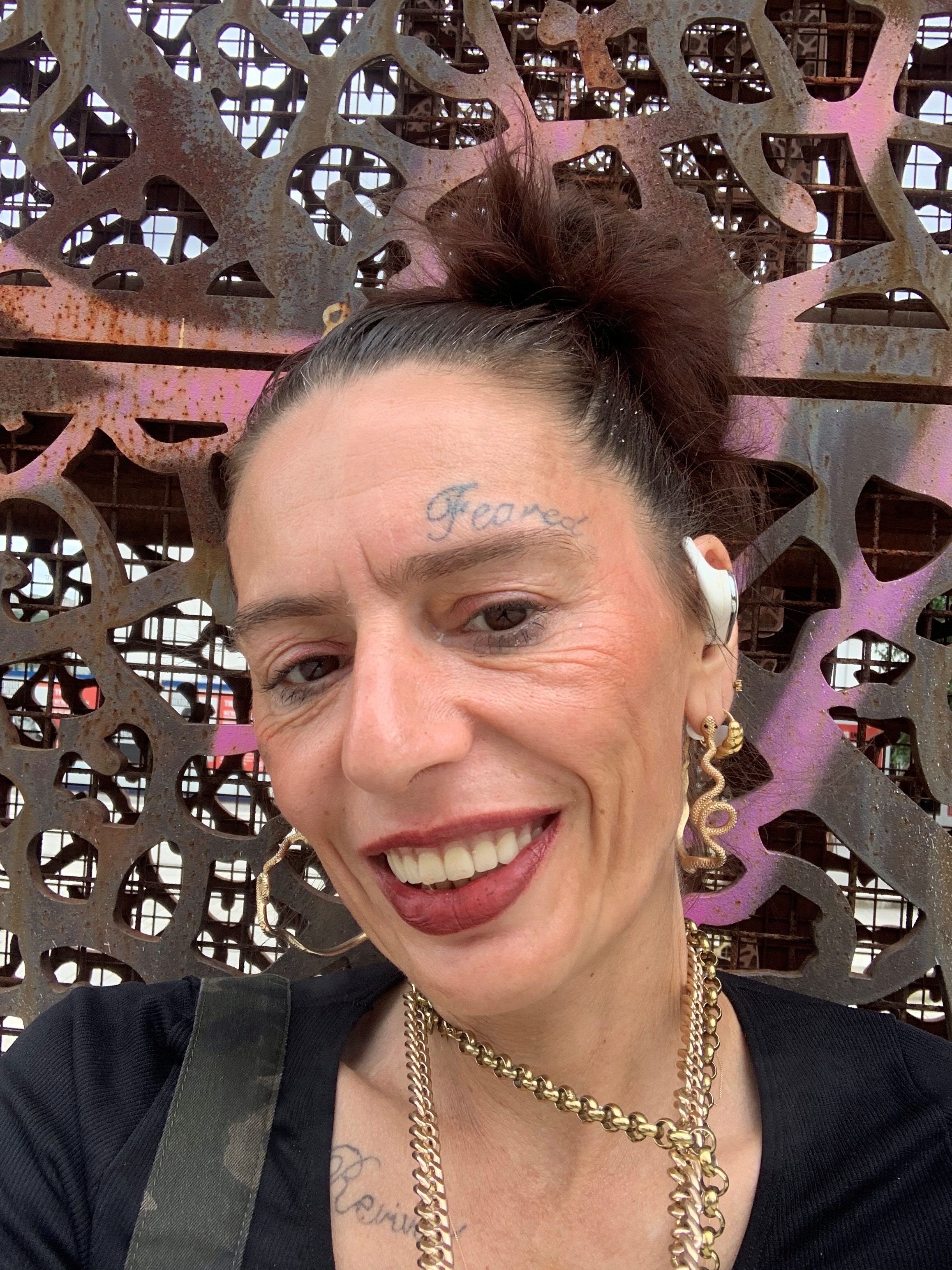
Public Speaker/Recovery Advocate
Keeley Knowles is a recovery advocate and public speaker whose extraordinary journey from addiction and prolific offending to lasting recovery has inspired law enforcement, retailers, and treatment professionals across the United Kingdom. After spending nearly three decades trapped in heroin addiction and the cycle of repeat shoplifting, Keeley rebuilt her life through the groundbreaking Offending to Recovery (O2R) program. Today, she works alongside O2R, providing outreach and peer support to individuals struggling with addiction, educating others about recovery, and sharing her lived experience to demonstrate that lasting change is possible through compassion, accountability, and evidence-based intervention.
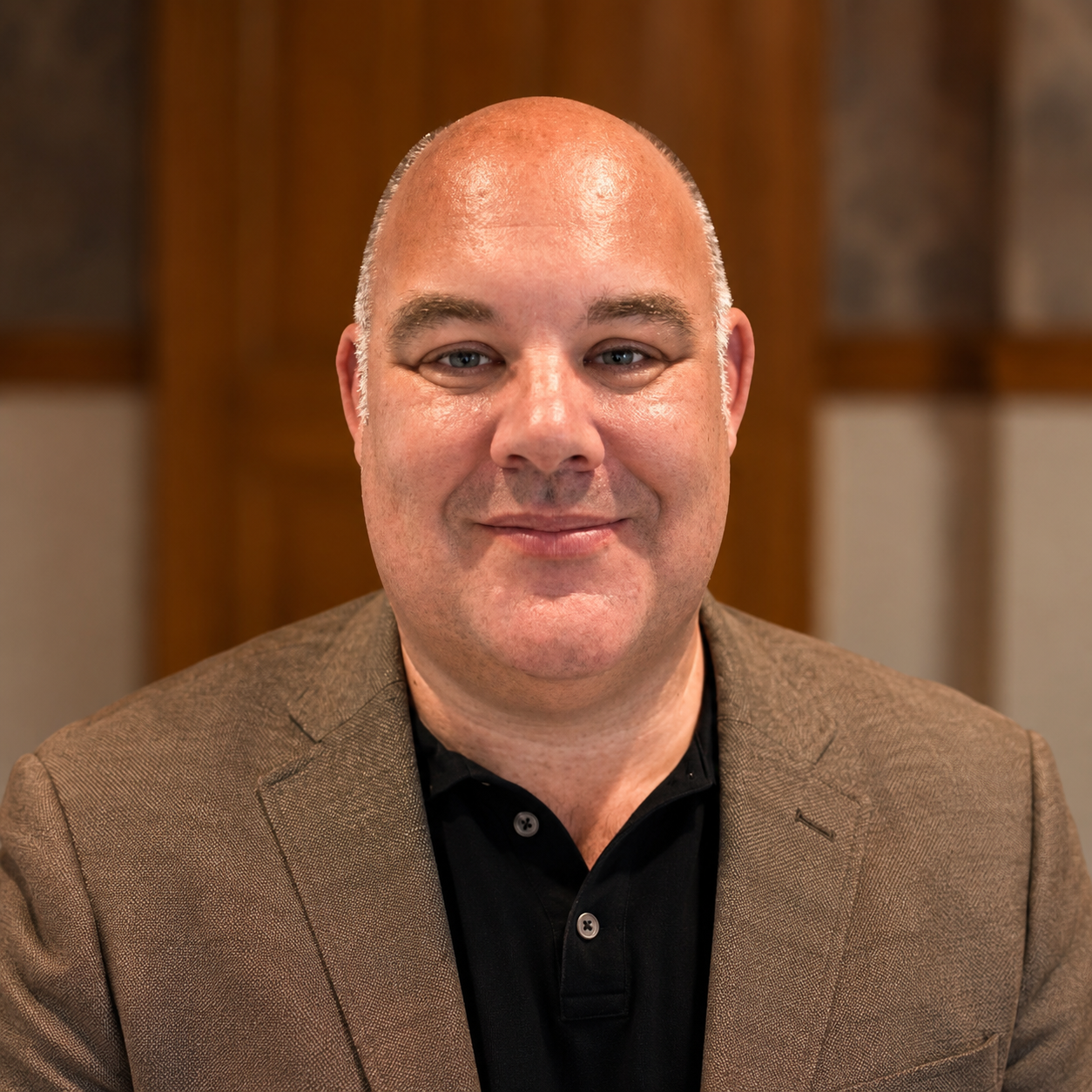
Retired Police Officer: Offender Manager / Offending to Recovery Programme
Stuart Toogood is a recently retired police officer with West Midlands Police whose career has been defined by a commitment to reducing repeat offending through innovation, compassion, and evidence-based policing. He is best known for co-founding the groundbreaking Offending to Recovery (O2R) program, which addresses the root causes of crime by connecting individuals struggling with addiction and trauma to recovery services rather than relying solely on repeated arrests. Throughout his career, Stuart has witnessed the life-changing impact of this approach, helping people rebuild their lives, reconnect with their families, and become positive members of their communities. He remains passionate about creating safer communities by combining accountability with empathy and believes that making a meaningful difference is the true measure of success