Being Human in a Tech-Driven World: The Ultimate Competitive Edge
As remote work, automation, and artificial intelligence increasingly dominate the corporate landscape, we find ourselves navigating a paradox. On one hand, technology has made us more connected than ever before, allowing us to collaborate across oceans, instantly share documents, and manage complex projects with the click of a button. On the other hand, maintaining genuine human connection in the modern workplace has never been more challenging—or more crucial. In this deep dive, we are going to explore why holding onto our humanity is not just a nice-to-have philosophy, but your ultimate competitive edge in business today. We will also examine how empathy, emotional intelligence, and intentional communication can combat phenomena like quiet quitting, foster true employee engagement, and empower you to advocate for yourself in any professional setting.
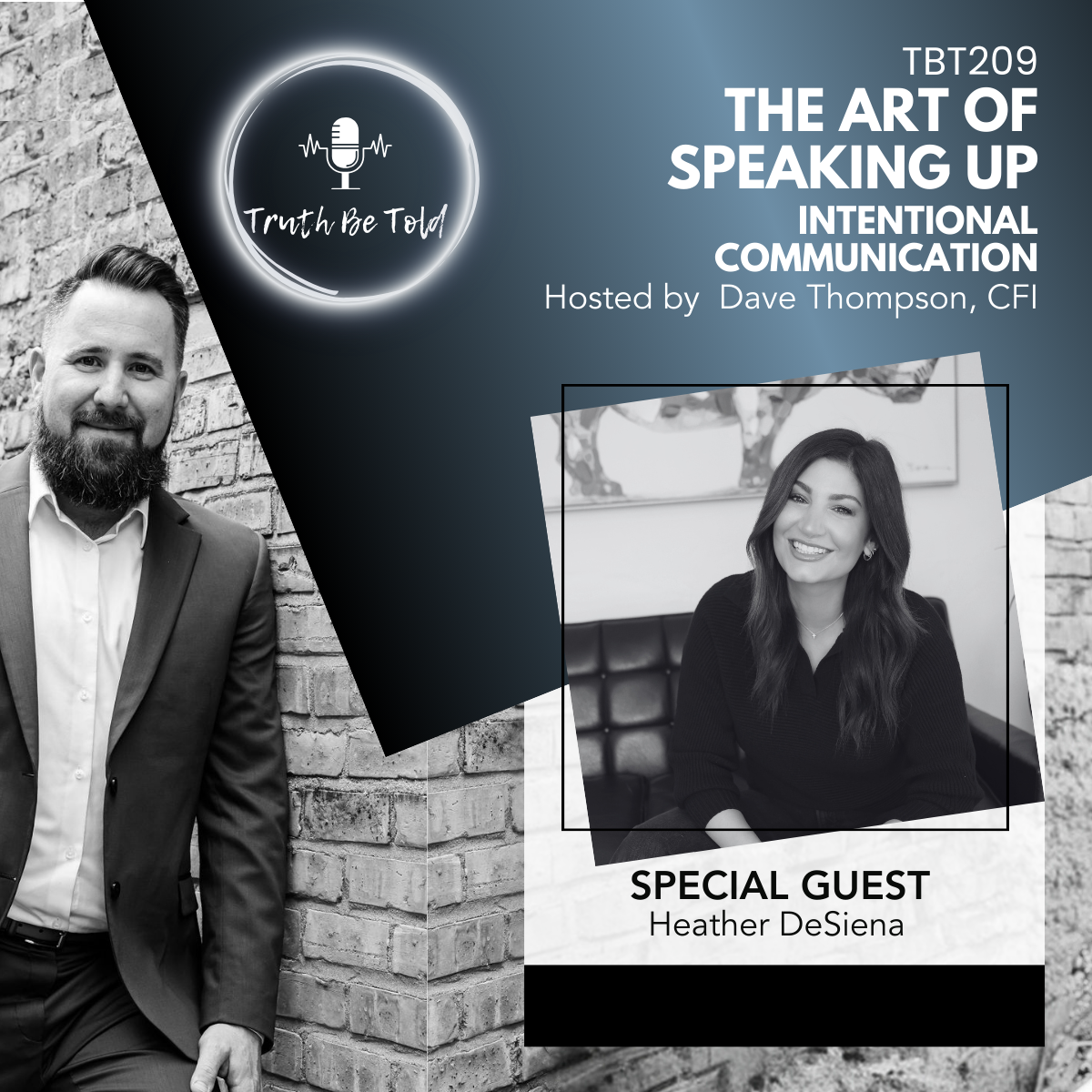
This blog post expands heavily on the themes we recently tackled in our podcast episode, The Art of Speaking Up: Intentional Communication with Heather DeSiena. If you haven't listened to it yet, make sure to check it out after reading this post!
Why Being Human is Your Ultimate Competitive Edge
In an era where algorithms can draft emails, code software, and analyze financial reports in seconds, it is easy to wonder what value we, as biological humans, bring to the table. The answer is simple: emotional resonance, intuition, and authentic connection. While machines are exceptional at processing data, they cannot feel empathy, read a subtle shift in body language, or build deep, trusting rapport.
When everyone has access to the same advanced technologies and productivity tools, your competitive edge shifts away from technical proficiency alone. Instead, it moves toward your ability to connect with other human beings. Companies that succeed in the long run are those that recognize that business is, at its core, a human endeavor. Customers want to buy from people they trust, employees want to work for leaders who understand them, and teams thrive when they feel seen and valued as individuals.
Being human means embracing vulnerability, acknowledging mistakes, and showing up authentically. It means recognizing that behind every Slack message, email address, and Zoom avatar is a person with their own aspirations, stresses, and unique perspective. By prioritizing the human element in your daily interactions, you set yourself apart in a sea of automated efficiency.
The Art of Intentional Communication and Asking the Right Questions
One of the most powerful ways to exercise your human edge is through intentional communication. Words matter immensely in every industry. Yet, in our rush to get things done quickly, we often fire off rapid-fire messages without considering the impact of our tone, timing, or vocabulary.
Intentional communication requires us to slow down and truly understand our audience. Are you speaking to someone who needs high-level data, or are they motivated by big-picture vision? Are you listening to understand, or are you simply waiting for your turn to speak? Active listening is a foundational pillar of effective communication, yet it is frequently overlooked in high-pressure corporate environments.
The Power of Asking Questions
Are you afraid to ask the question? Many professionals hold back because they fear looking uninformed or rocking the boat. However, asking the right questions is often what separates high performers from the rest of the pack. Thoughtful questions demonstrate curiosity, clarify expectations, and open doors to new possibilities that you might never have discovered otherwise.
When you approach a conversation with genuine curiosity rather than an agenda, you shift the dynamic from transactional to relational. Whether you are networking, managing a team, or interviewing for a new role, the quality of your questions will dictate the quality of your insights. Success is rarely built on silence; it is built on the courage to speak up and seek understanding.
Combating Quiet Quitting Through Empathy and Emotional Intelligence
One of the most pressing challenges facing corporate America today is the rise of quiet quitting. Employees are physically present—or logged on remotely—but emotionally checked out. They do the bare minimum required to keep their jobs because they feel disconnected, undervalued, and uninspired by their corporate culture.
How do we combat this disengagement? The answer lies in emotional intelligence and empathetic leadership. Corporate culture directly impacts employee engagement and productivity. You can undoubtedly be profitable without sacrificing your people, but doing so requires a conscious pivot away from purely metric-driven management toward a human-centric approach.
Leaders must learn to recognize the signs of burnout and disconnection before they manifest as turnover or quiet quitting. This means checking in on your team members not just as project contributors, but as human beings. How are they really doing? What support do they need? By fostering an environment where psychological safety is prioritized, employees feel comfortable voicing their concerns, sharing innovative ideas, and investing their energy back into the organization.
In remote and hybrid work environments, this requires even more intentionality. Since spontaneous hallway chats and watercooler moments are largely gone, leaders and team members must deliberately create spaces for human connection. Empathy bridges the physical distance that technology creates.
Advocating for Yourself: Negotiation and Connection
Being human also means recognizing your own worth and having the courage to advocate for yourself. Many professionals struggle with self-advocacy, particularly when it comes to salary negotiations, promotions, or defining boundaries in the workplace.
Negotiation starts long before the final contract is placed on the desk. It begins with building a strong reputation, establishing credibility, and clearly communicating your value to the organization. Many companies actually expect candidates to negotiate offers, yet fear or imposter syndrome often keeps qualified individuals silent.
Remember that negotiation is not a combative sport; it is a collaborative conversation. It can encompass salary, equity, flexible scheduling, professional development, and benefits. When you approach negotiation with emotional intelligence and a clear understanding of your audience, you frame the discussion around mutual value. You are showing the organization how investing in you benefits them, which is a powerful, human-centric way to advance your career.
Furthermore, public speaking and presenting your ideas are extensions of self-advocacy. Whether you are speaking to a board of directors, leading a team meeting, or presenting at a conference, public speaking requires adaptability and authenticity. People do not connect with perfection; they connect with humanness, passion, and genuine storytelling.
Conclusion: Building a People-First Corporate Culture
As we navigate this rapidly evolving, technology-driven world, it is easy to feel overwhelmed by the pace of change. However, the solution is not to reject technology, but to anchor ourselves firmly in our humanity. By mastering intentional communication, asking the right questions, leading with empathy to combat disengagement, and fearlessly advocating for ourselves, we can build workplaces that are both highly profitable and deeply fulfilling.
To explore these concepts even further and hear incredible insights on navigating the corporate world with authenticity, be sure to listen to the complete episode: The Art of Speaking Up: Intentional Communication with Heather DeSiena. Let's remember that behind every professional title is a person, and putting people first is always the winning strategy.