

 Apple Podcasts
 Spotify
 Youtube Music
 iHeartRadio
 Amazon Music
 Podchaser
 “I Would Never Confess”: The Truth About False Confessions with Robin Dahlberg

Why would an innocent person confess to a crime they didn’t commit?
It’s one of the most misunderstood questions in criminal justice—and the answer reveals important lessons about interrogation techniques, false confessions, wrongful convictions, and the way we search for the truth.
In this episode of Truth Be Told, host Dave Thompson, CFI sits down with attorney, advocate, and photographer Robin Dahlberg, author of Breaking Point, a powerful project that takes readers inside the interrogation experiences of six exonerees who confessed to crimes they did not commit.
Through the stories of Jeffrey Deskovic, Vanessa Gathers, Byron Halsey, Eddie Lowery, Christopher Ochoa, and Raymond Santana of the Exonerated Five, Dave and Robin explore how an investigation can go wrong long before a confession ever occurs—and why understanding the human experience inside the interrogation room matters for investigators, attorneys, and anyone interested in criminal justice reform.
The conversation examines some of the most important questions surrounding modern interview and interrogation practices:
- Why do innocent people falsely confess?
• How can tunnel vision and confirmation bias influence an investigation?
• What happens when investigators become convinced they have the right suspect?
• How can maximization, minimization, threats, promises, and false-evidence tactics influence a suspect’s decisions?
• Why is recording the entire interview and interrogation so important?
• How can investigators obtain reliable information without relying on coercive or guilt-presumptive interrogation techniques?
• What role do public defenders, expert witnesses, and unequal resources play in wrongful conviction cases?
• And what can today’s investigators learn directly from people who experienced a wrongful interrogation and conviction?
One particularly important theme is perspective. Dahlberg’s Breaking Point uses photography and the words of exonerees to put the audience in the other chair—to understand what an interrogation can feel like to the person being questioned. The goal isn’t to vilify investigators. It’s to recognize that investigators, suspects, victims, attorneys, and families are all human—and that reliable investigations require practices designed to protect the integrity of the evidence and the search for truth.
Dave also connects these cases to the evolving science of investigative interviewing and the importance of continually challenging our own methods. Better interviewing isn’t simply about avoiding false confessions. It’s about
obtaining information that is accurate, reliable, and capable of withstanding scrutiny.
For law enforcement investigators, criminal justice professionals, attorneys, workplace investigators, forensic interviewers, and anyone interested in wrongful convictions or interrogation reform, this conversation offers an important look at what can happen when pressure, assumptions, and certainty replace curiosity.
About Wicklander-Zulawski & Associates (WZ)
Wicklander-Zulawski & Associates provides investigative interviewing and interrogation training focused on ethical, evidence-based and non-confrontational methods for obtaining reliable information. WZ training helps law enforcement, corporate investigators, human resources professionals, loss prevention teams, and other investigative professionals strengthen interviewing skills, recognize bias, build rapport, and conduct more effective investigations.
If you’re searching for investigative interviewing training, interrogation training, false confession training, science-based interviewing techniques, rapport-based interviewing, or professional development for investigators, explore the training and educational resources available from Wicklander-Zulawski & Associates.
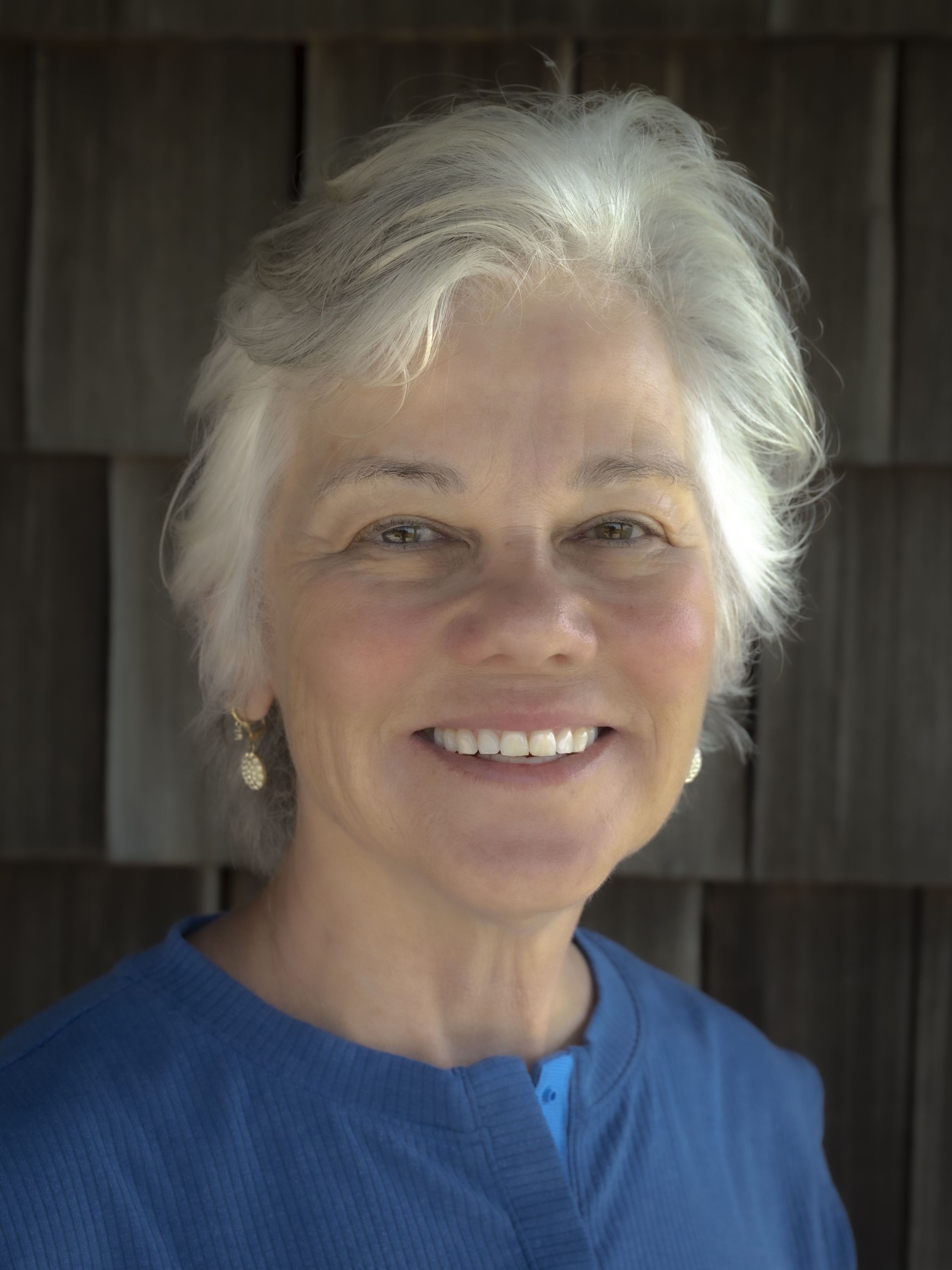
Visual Artist / Photographer / Social Justice Advocate
Robin Dahlberg is a visual artist and arts educator based in New York City. With a background in law and social justice, she uses her camera to explore issues of identity, place and resilience and their influence upon each other. Sharing her passion for photography with others is fundamental to her work. Dahlberg has taught photography to people of various ages, backgrounds and capabilities. In 2018, she co-founded the non-profit Five Corners Collective to teach photography to underserved and geographically isolated communities.