

 Apple Podcasts
 Spotify
 Youtube Music
 iHeartRadio
 Amazon Music
 Podchaser
 Is it a job interview or an interrogation? Studying the science of Interviewology with Anna Papalia.
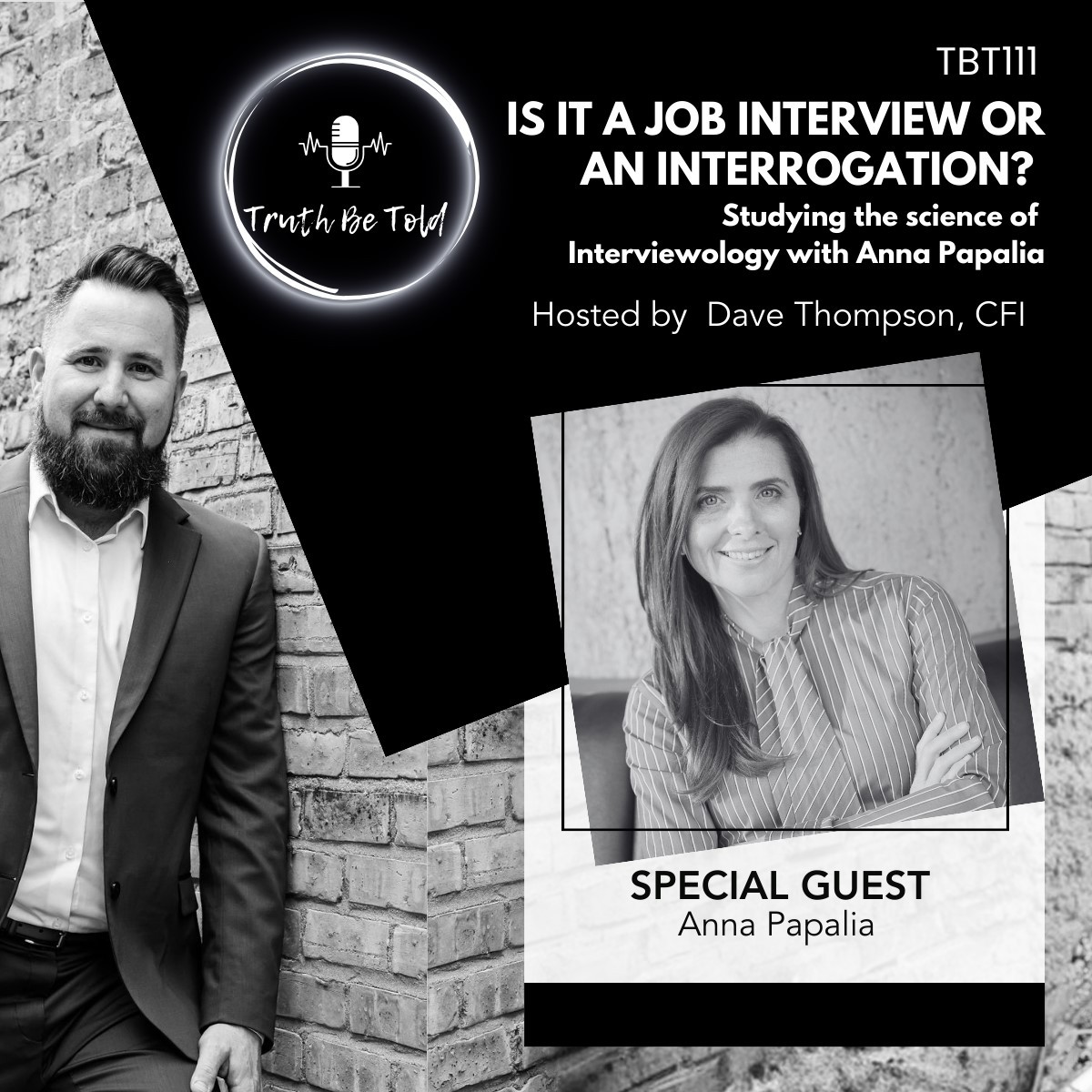
In this episode, Dave Thompson interviews Anna Papalia, author of Interviewology, about the art of interviewing. Anna shares her background in talent acquisition and her realization that there was a lack of research-backed tools to teach people how to interview. She developed the concept of interview styles, which include charmers, challengers, examiners, and harmonizers. Anna emphasizes the importance of self-awareness in interviews and how understanding your own interview style can help you adapt to different interviewers. She also discusses the scientific validation of Interviewology and the fear that many people have when it comes to job interviews. The episode concludes with a discussion on seeking feedback and the importance of authenticity in interviews. She also draws parallels between interviewing and dating, highlighting the need for self-awareness in both contexts. The conversation explores the use of scripts in interviews to mitigate bias and ensure structure. Anna emphasizes the importance of addressing failures and weaknesses honestly and using them as opportunities for growth. The conversation concludes with a discussion on the significance of asking thoughtful questions as a job seeker and the universal truth that different interview styles can complement each other.
Truths:
- Self-awareness is crucial in interviews. Understanding your own interview style can help you adapt to different interviewers and improve your performance.
- There are four interview styles: charmers, challengers, examiners, and harmonizers. Each style has its own strengths and preferences in interviews.
- Interviewing is an artificial event where the power dynamics can change quickly. Both job seekers and hiring managers can benefit from understanding their own interview style.
- AI and applicant tracking systems have limitations in evaluating candidates. Authenticity and self-knowledge are more important than using scripted answers or relying on technology. Authenticity is crucial in job interviews, and being yourself can lead to success.
- Interviewing and dating share similarities, such as the need for self-awareness and the ability to answer questions about oneself.
- Using scripts in interviews can help mitigate bias and ensure a structured process.
- Addressing failures and weaknesses honestly and discussing what you have learned from them is important in interviews.
- As a job seeker, asking thoughtful questions demonstrates curiosity and can help you assess the fit of the job and company.
- Different interview styles can complement each other, and we can benefit from being open-minded and learning from others.